Bill and Will's Synth
|
Table of Contents |
|
This page has become really long, so here's a table of contents that we hope will make it easier to traverse: Background - presents Jurgen's initial description of the effect Parts - presents a Bill of Materials and notes about it Panel - Bridechamber fabricated the MOTM format one Construction Phase 1 - Resistors, Capacitors, IC Sockets, Power Plugs, MTA headers Construction Phase 2 - Trimmers, Panel connections |
Background |
|
The Oakley Sound Systems Page describes the Module: "One can never have enough voltage controlled amplifiers (VCA) in a modular synthesiser. The VCA allows you to control any signal, be it CV or audio, with another control voltage (CV). "In the typical application one uses a VCA to shape the volume of the final output signal of the synthesiser. But a good VCA can do much more.
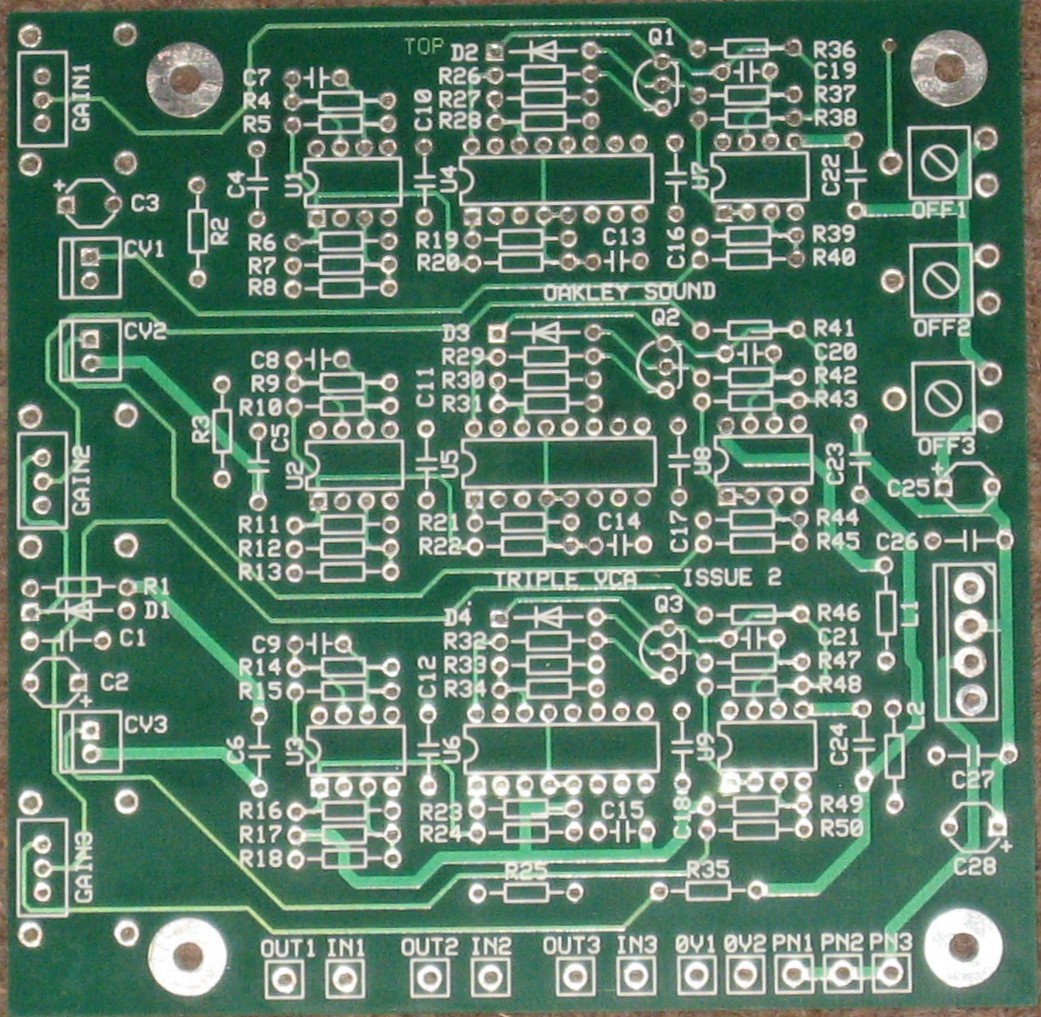
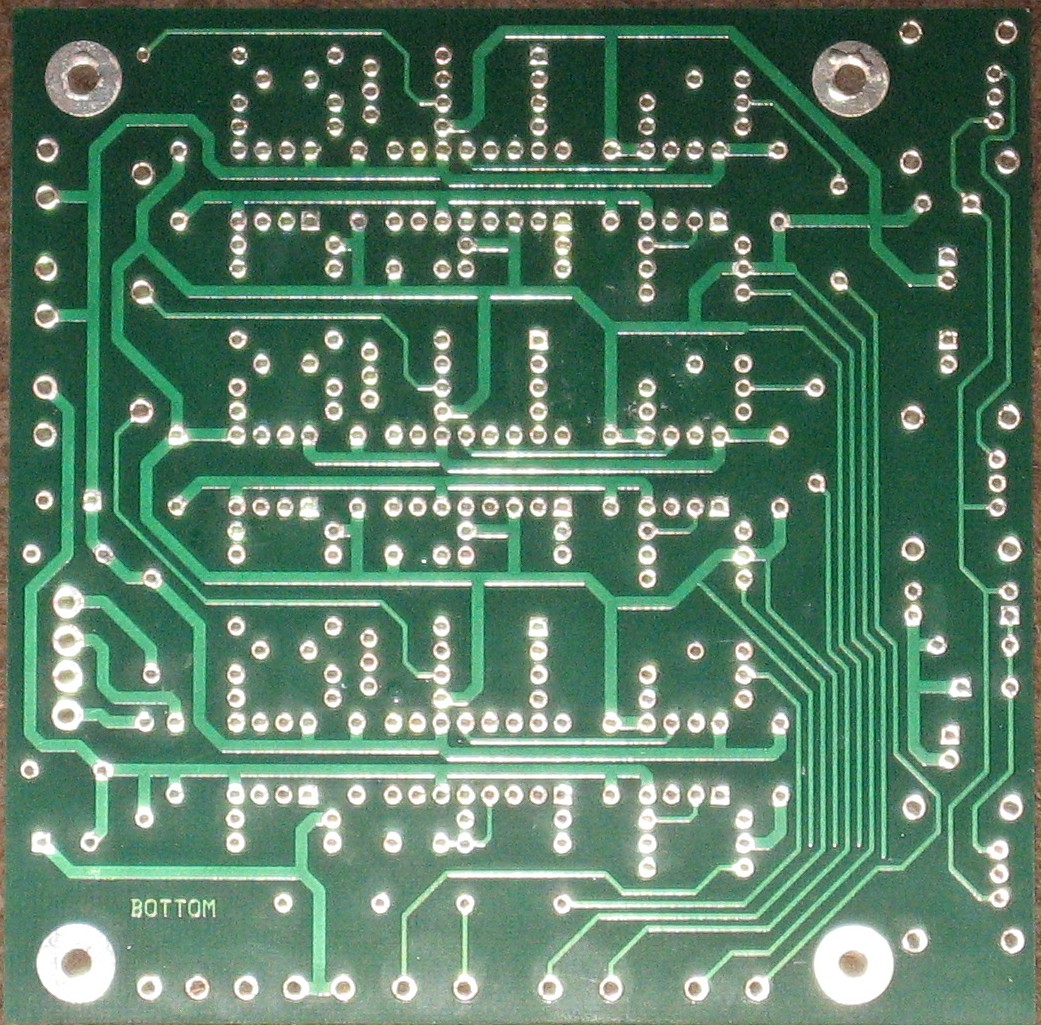
"The Oakley VCA module consists of three high quality voltage controlled amplifiers (VCA) suitable for audio and CV. This design uses standard parts in a very unconventional manner to give a superb sounding VCA with low noise and the minimum of CV breakthrough. Unlike my older 'Basic-VCA' design, all three VCA sections are one board to facilitate quick and troublefree building. "Each VCA has two controls. Firstly, there is GAIN, a fixed bias to set the initial gain of the VCA, it can also be used a volume control. Secondly, the CV pot allows you to alter the sensitivity of the external CV that controls the VCA's gain. Click here to get to the Oakley EFG page. Click here to view the User's Manual .pdf file. |
|
|
Parts |
|
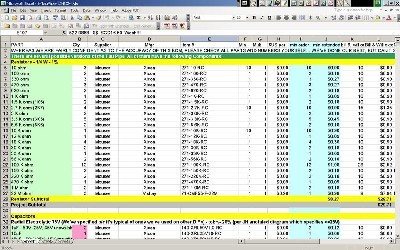
Will and I have developed a parts-list / bill-of-materials in the form of an XL spreadsheet based on the parts list from Oakley. In the BOM, the left-most column is the "part." The parts we've ordered have a green background. These parts we have a high (but not perfect) level of confidence that we've specified correctly - we caught a mistake or two in part numbers / prices as we were ordering. please double-check us and let us know of mistakes you find. Corrections to BOM: None yet - Notes: None yet - Click here to download the spreadsheet (apx. 48K).
|
|
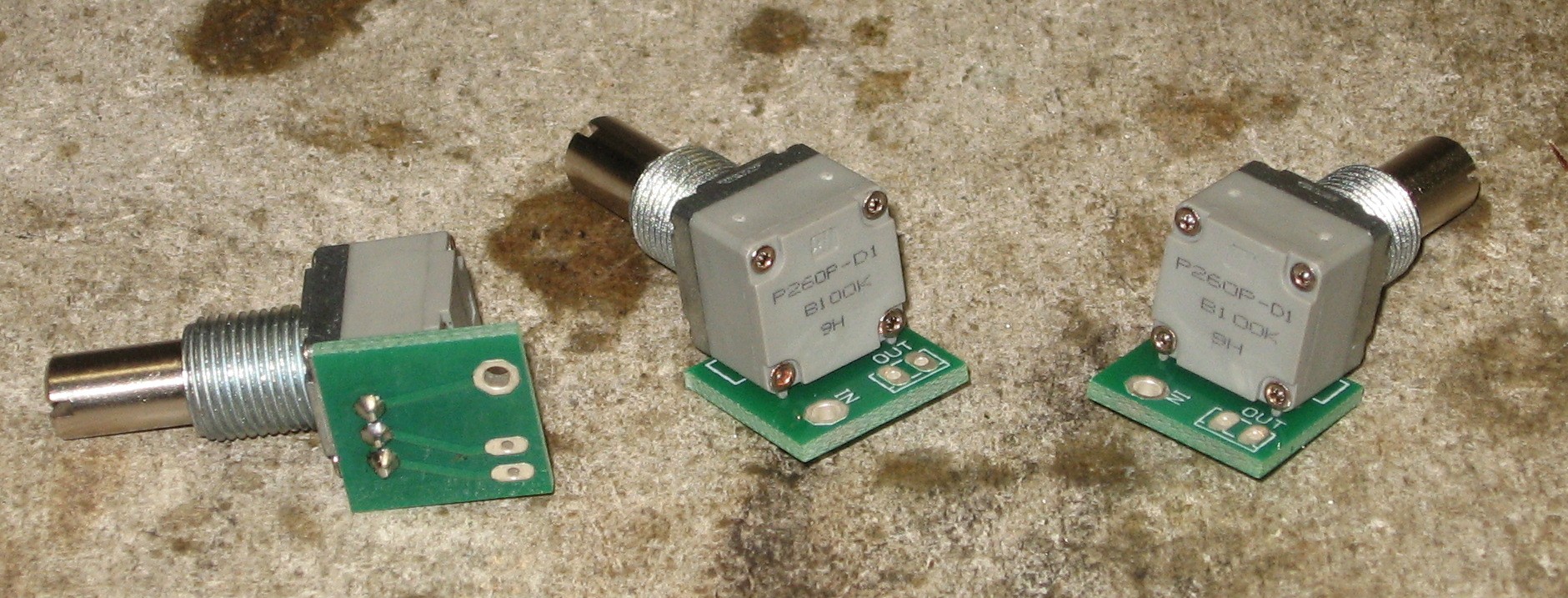
Pots / Brackets from Oakley |
Panel |
|
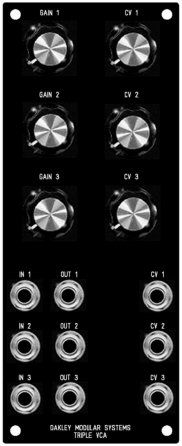
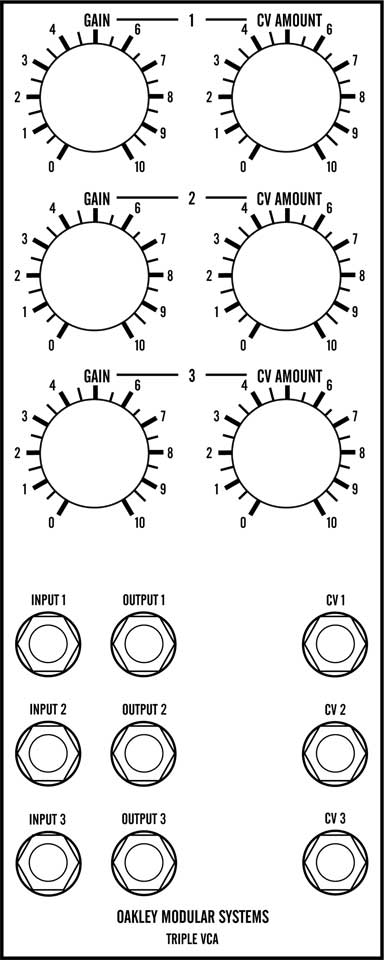
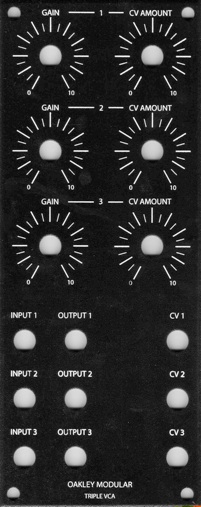
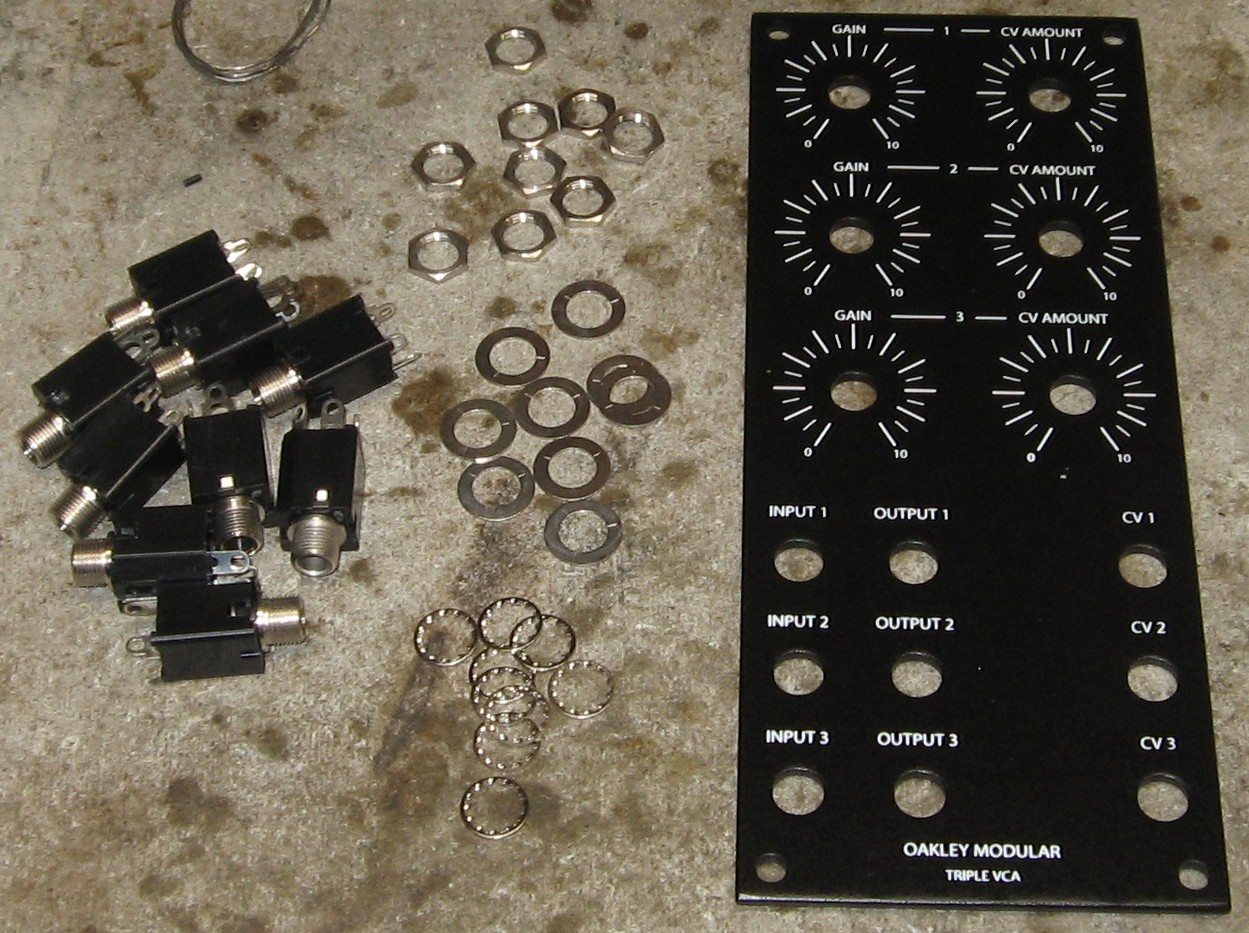
We got ours from Bridechamber.
|
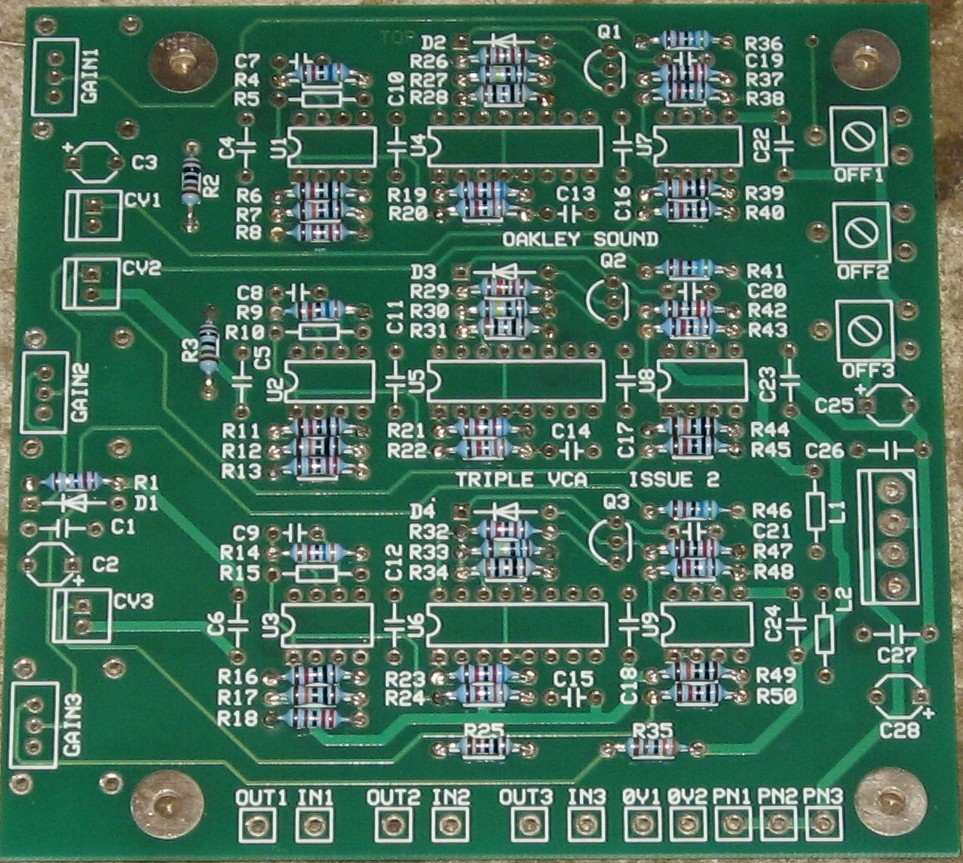
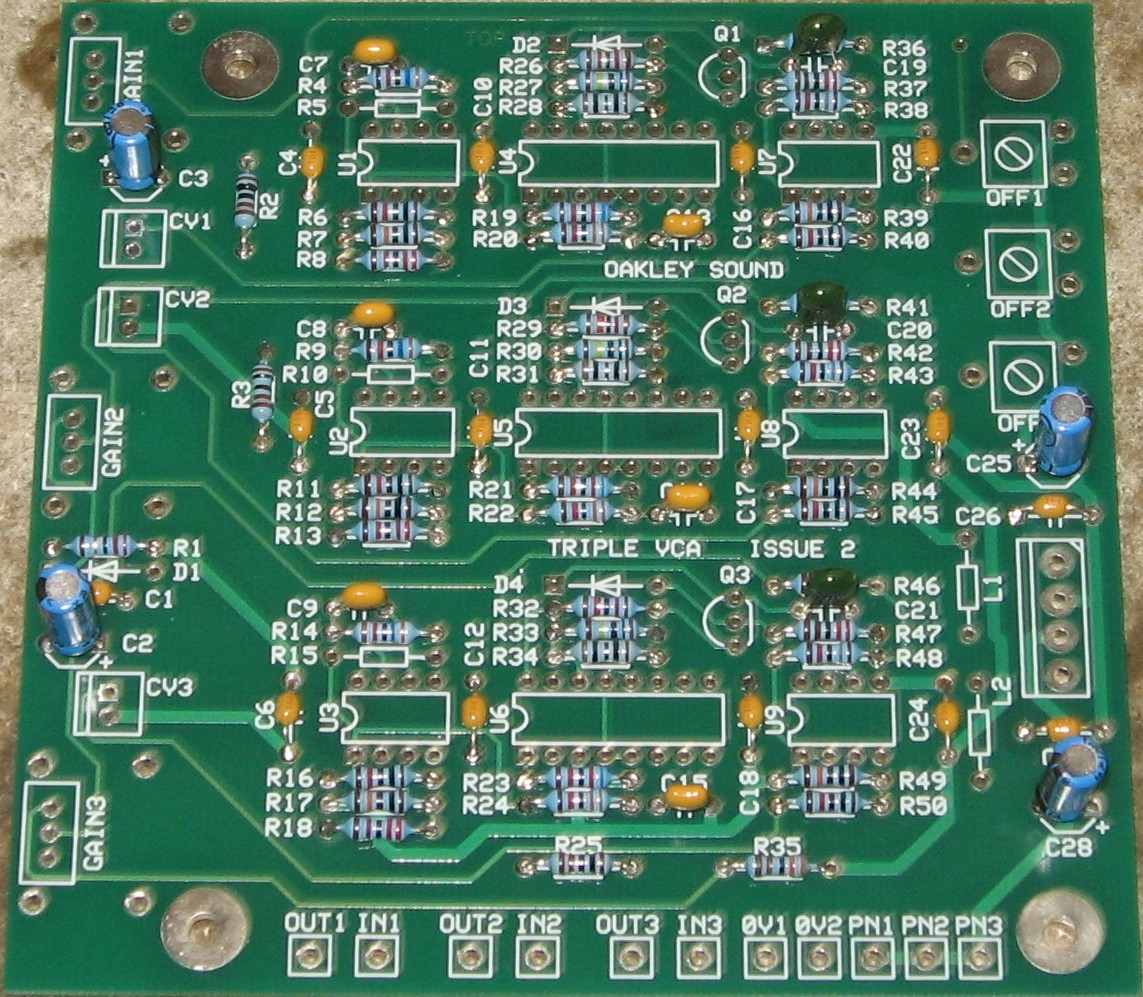
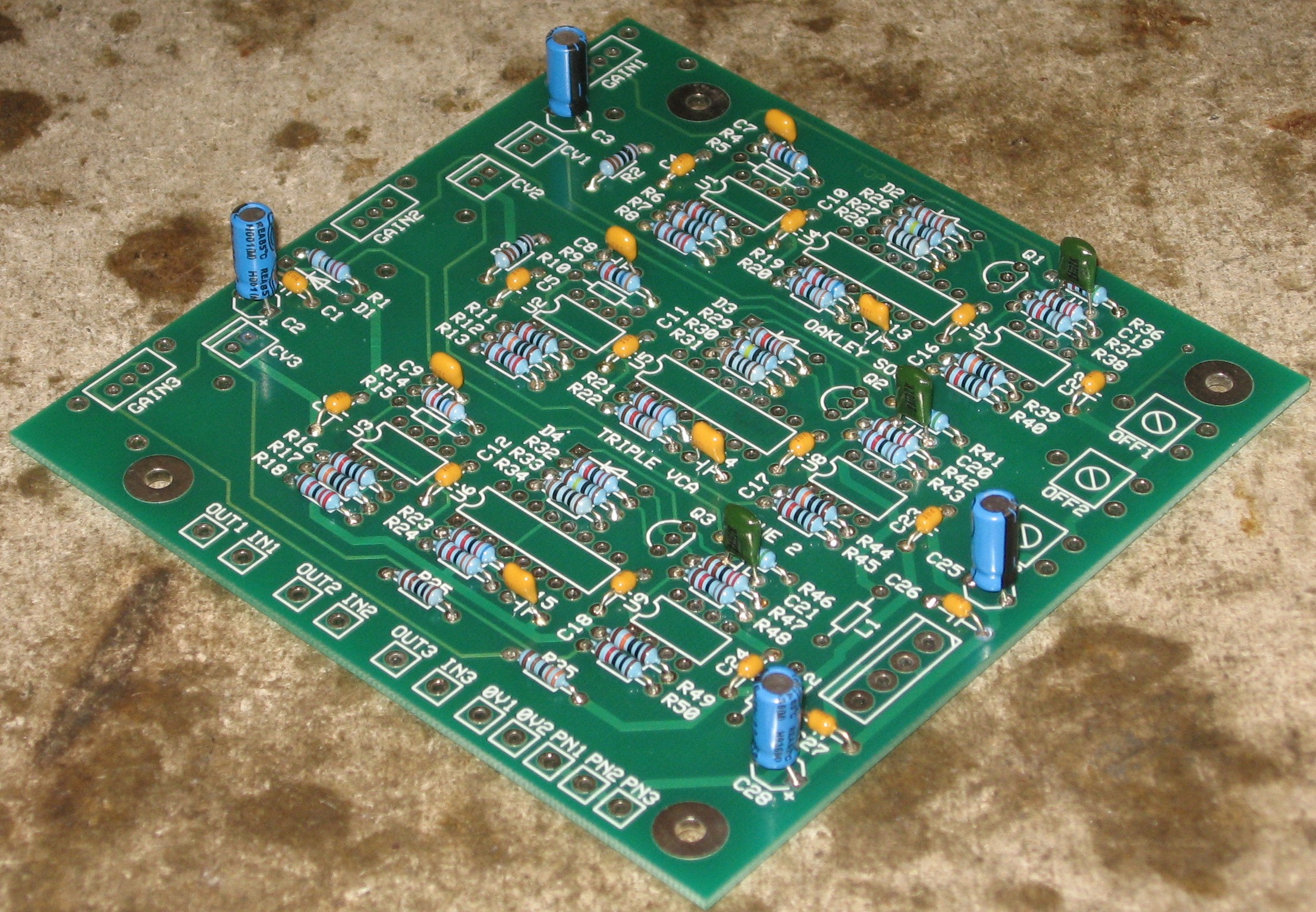
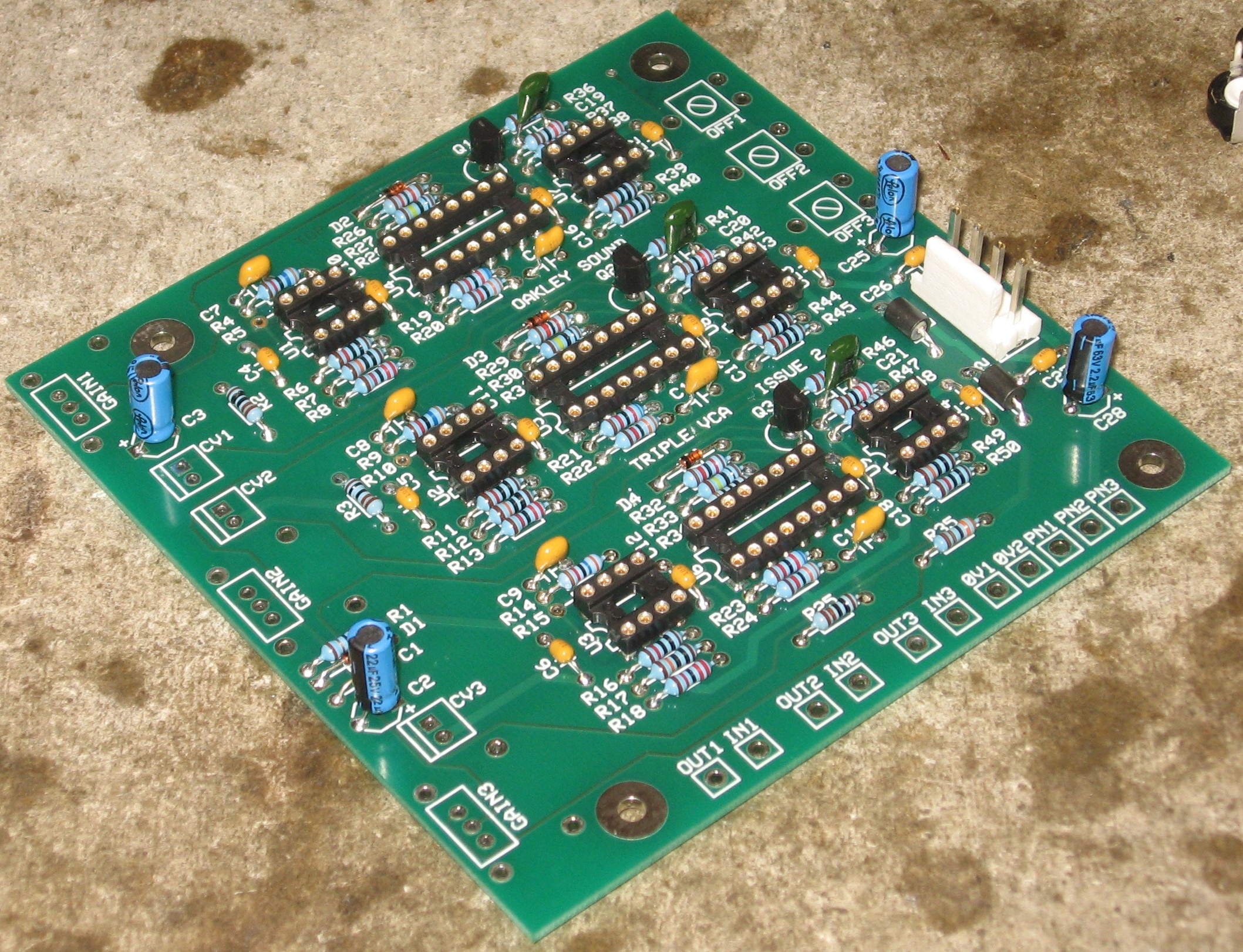
Construction Phase 1All the stuff in Phase 1 gets soldered using "Organic" Solder. At every break in the action, we wash the board off to get rid of the flux. |
|
|
|
Resistors |
|
|
|
Capacitors |
|
|
|
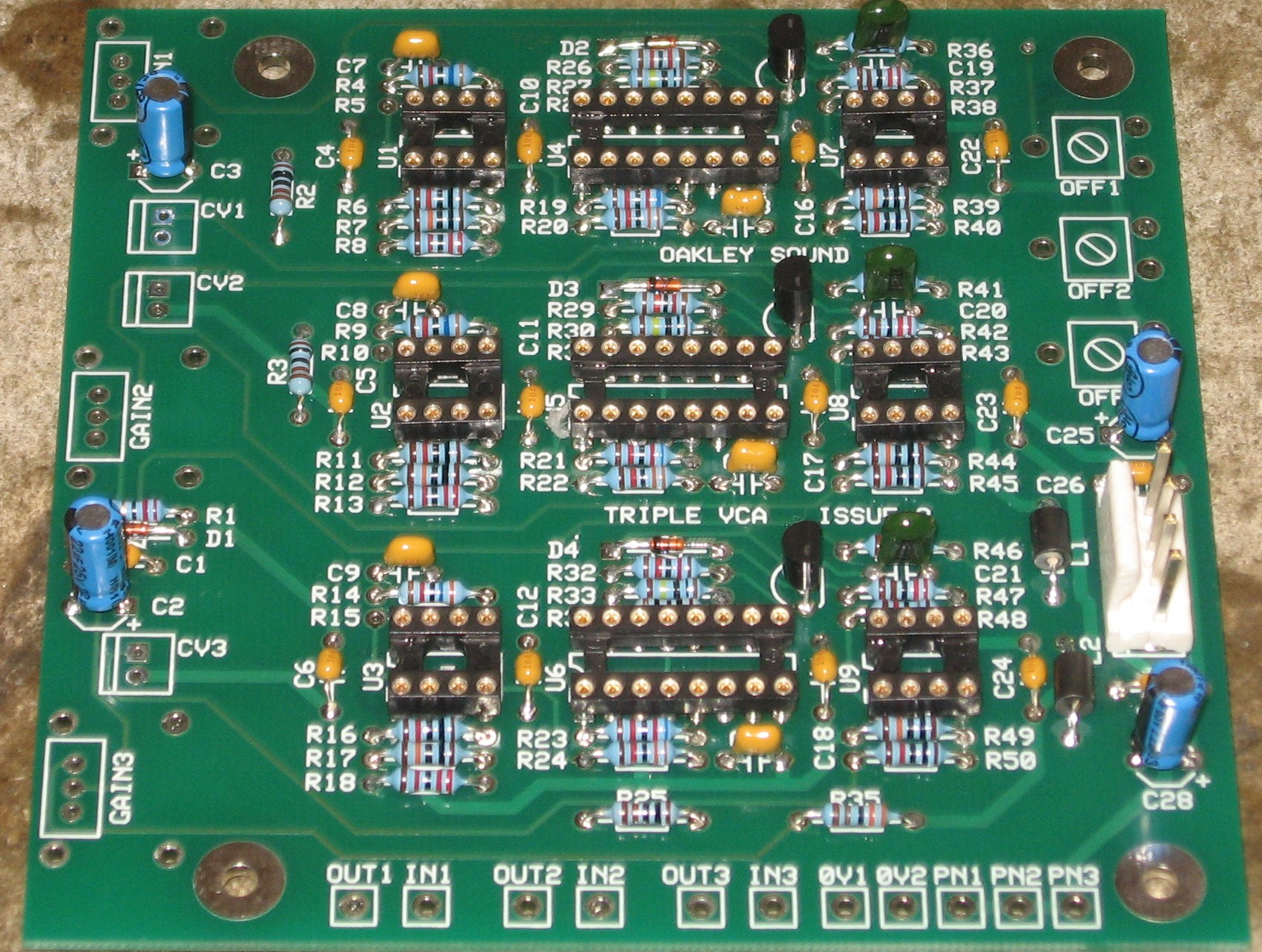
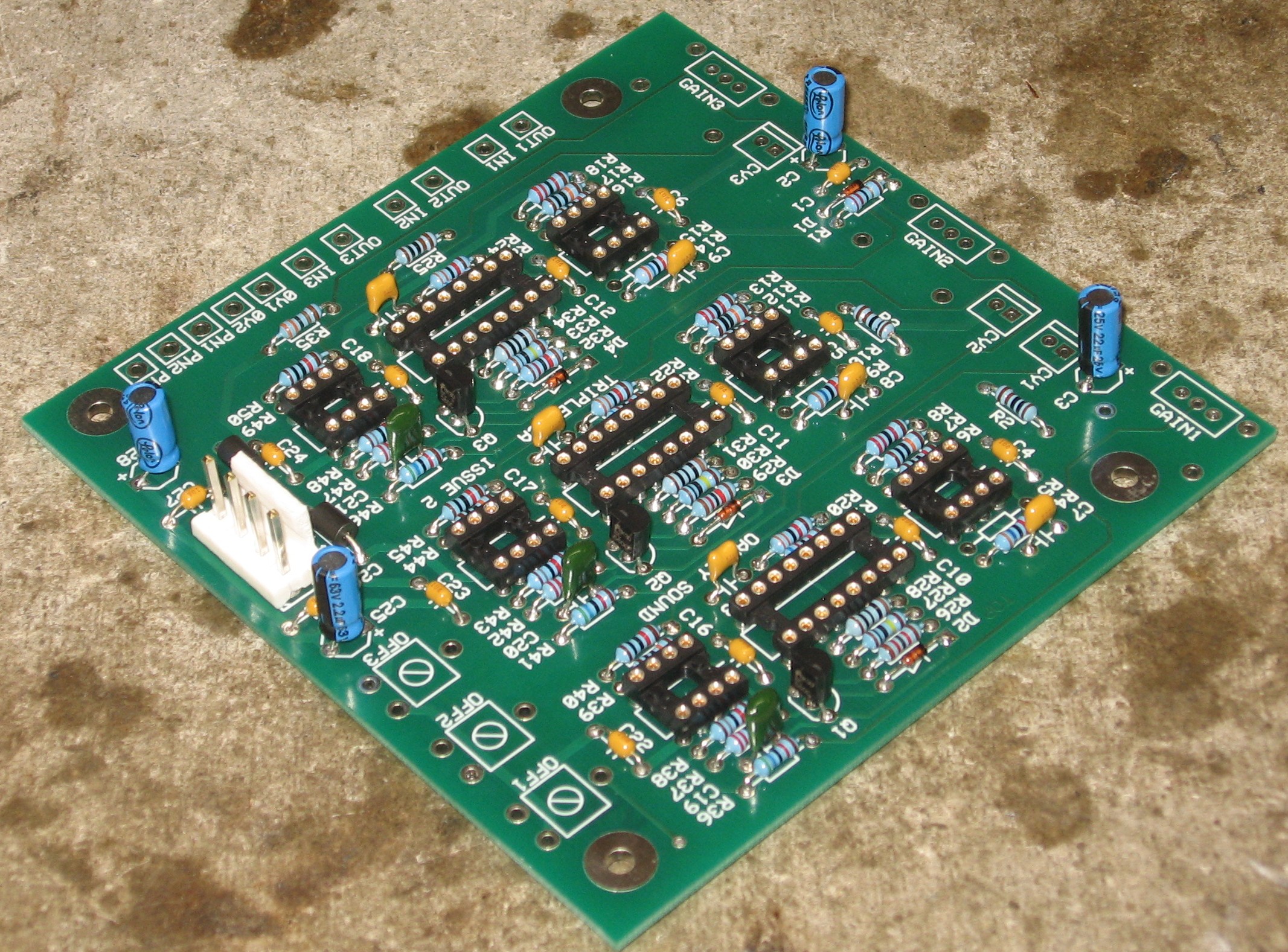
Semiconductors, IC Sockets, Misc. |
|
|
Construction Phase 2All the stuff in Phase 2 gets soldered using "No-Clean" Solder and the PCB doesn't get washed off from here on. |
|
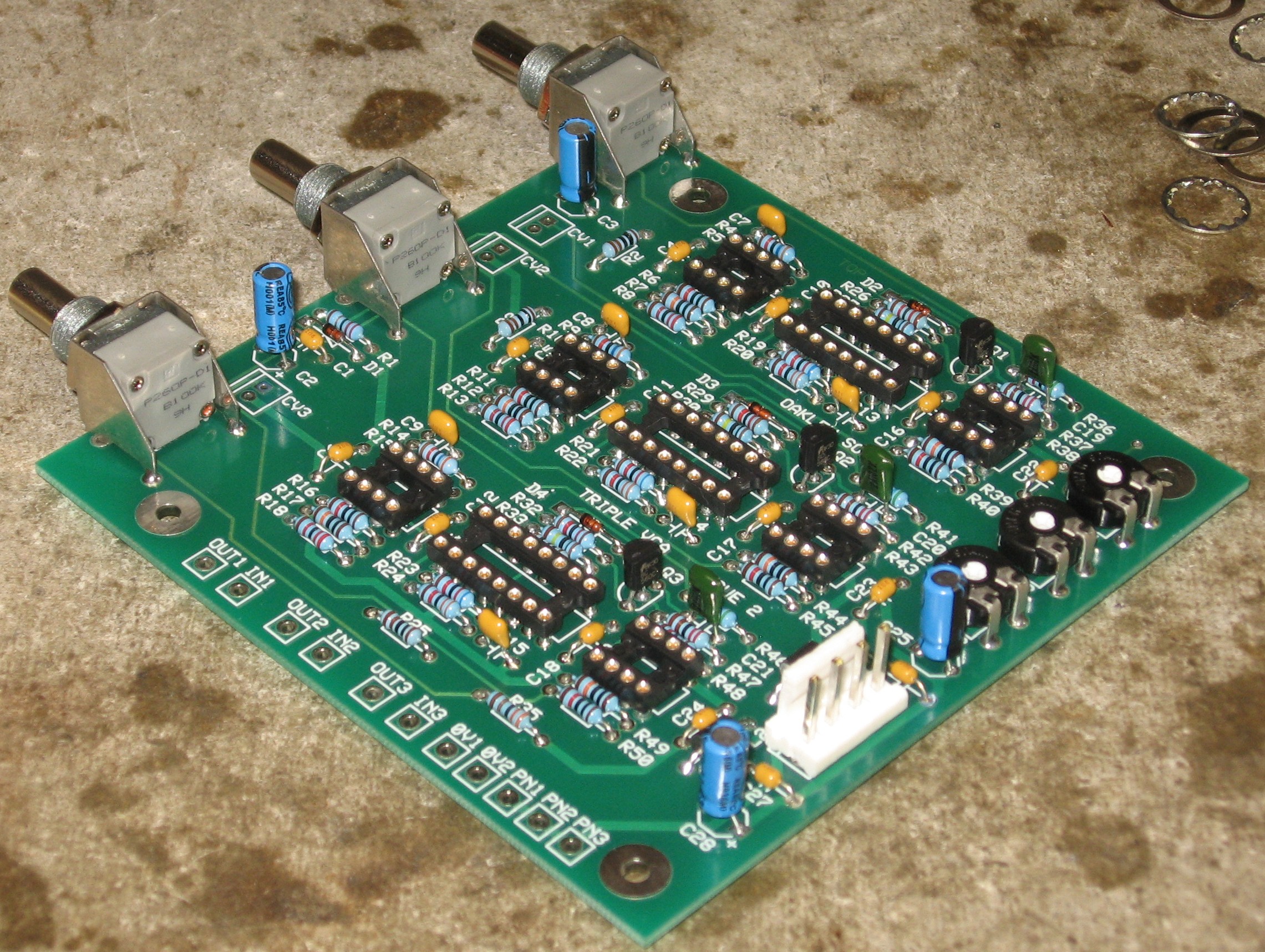
Potentiometers, Trimmers |
|
Oakley provides a description of how to install the pots and mounting brackets, and we detail the process on our Envolpoe Follower page here.
|
|
Panel Mounted Pots |
|
The three pots that mount on the panel, Oakley provides "chicklets" for:
|
|
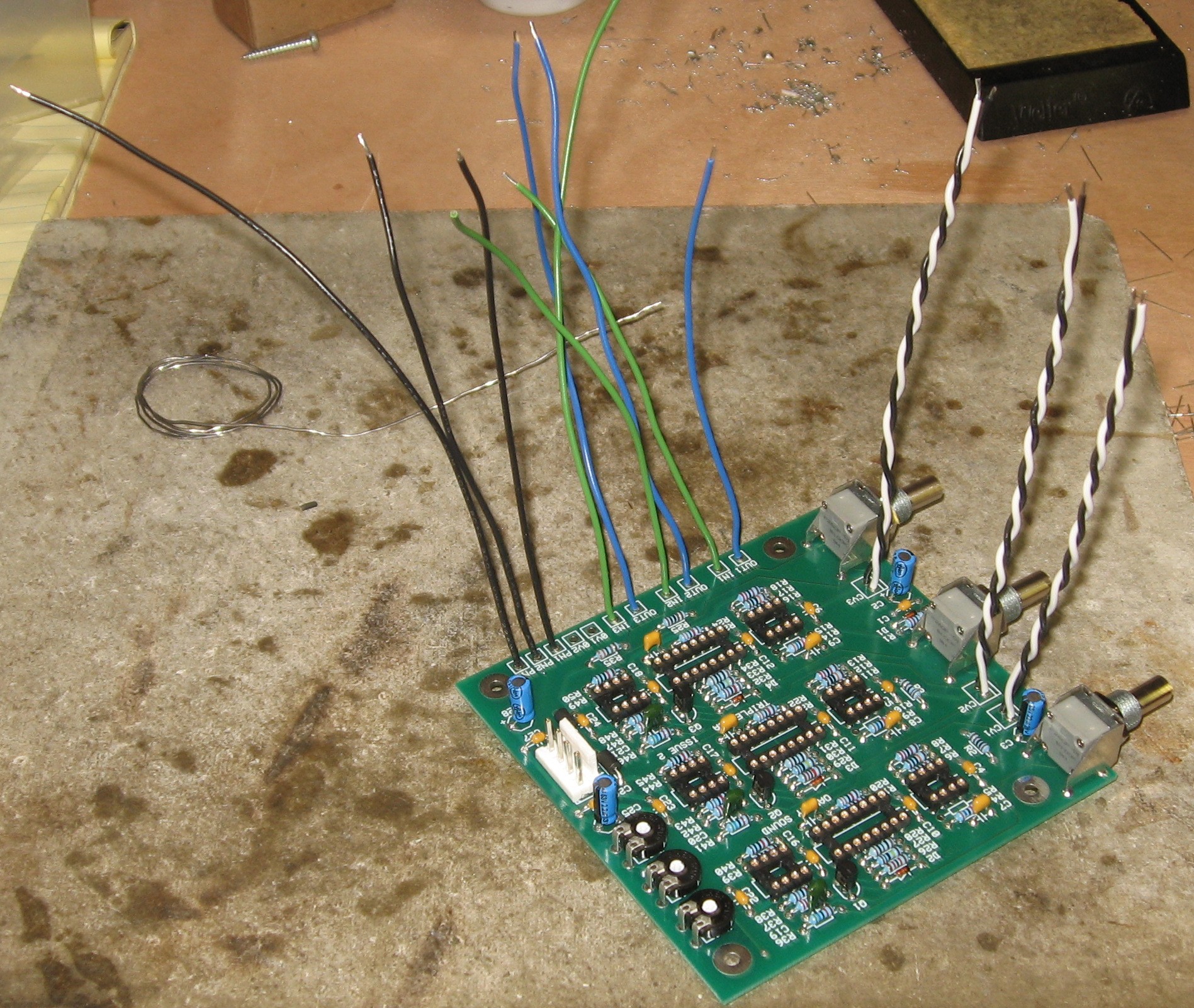
PCB Wires |
|
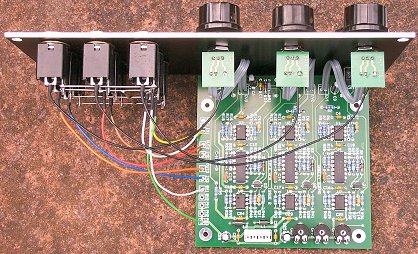
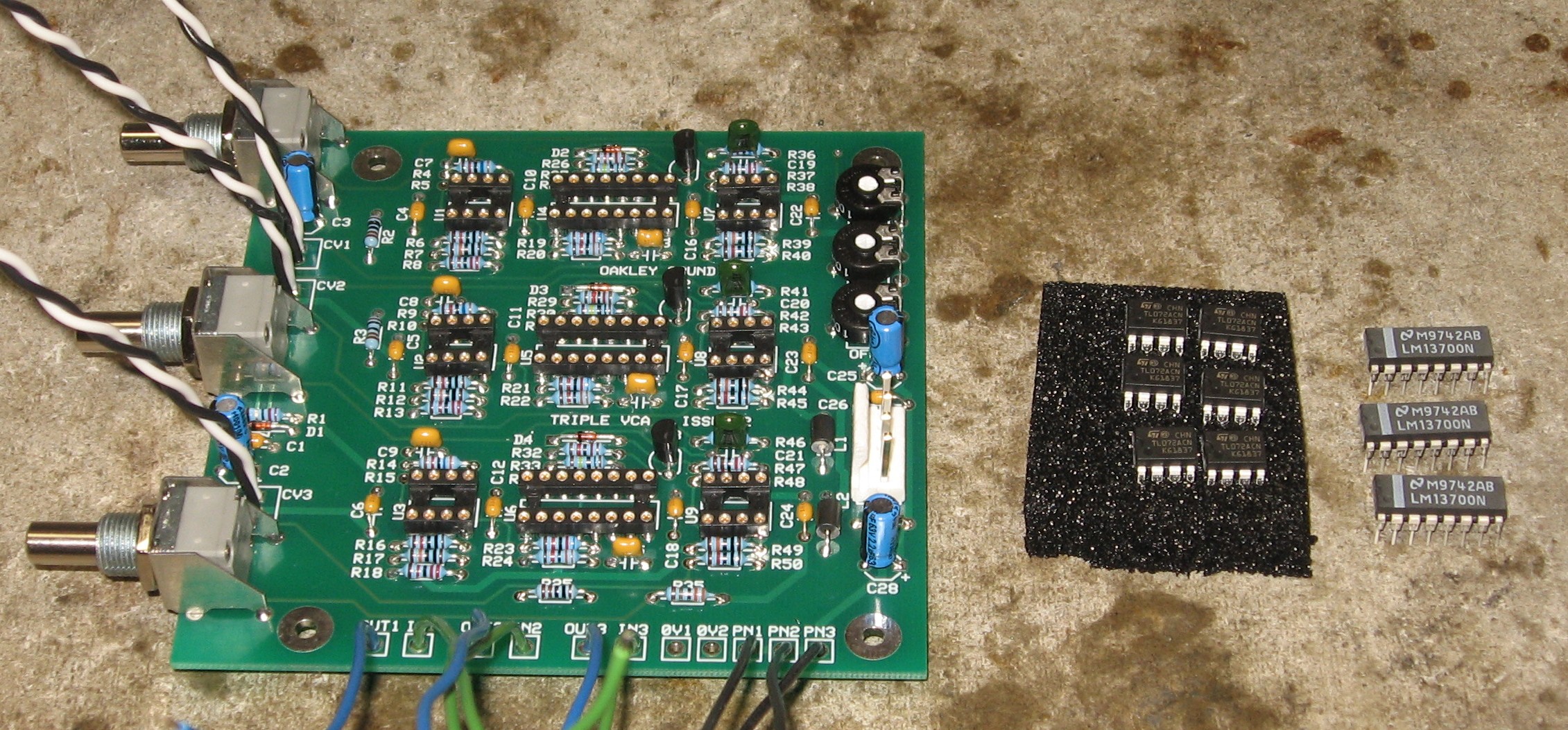
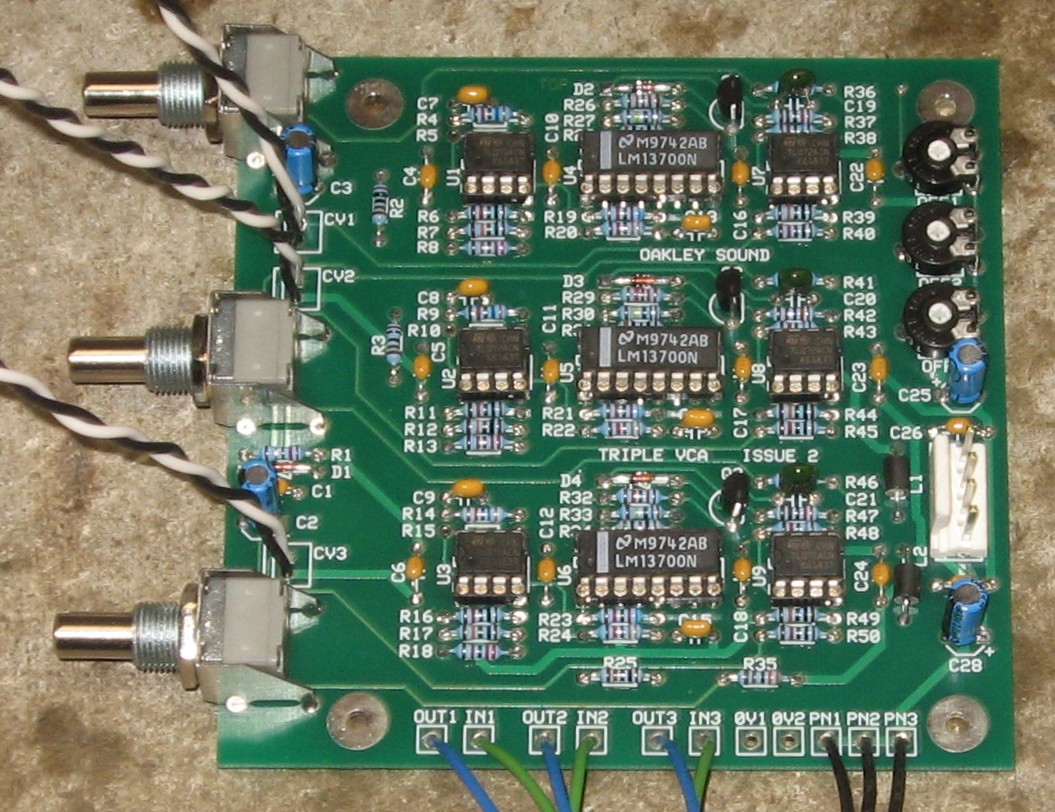
The wires soldered in:
|
|
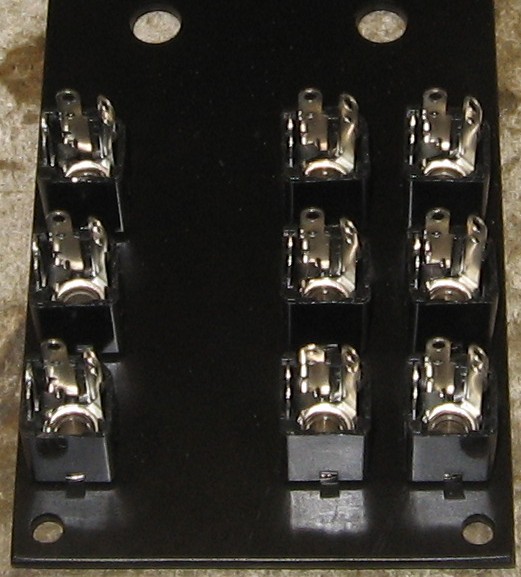
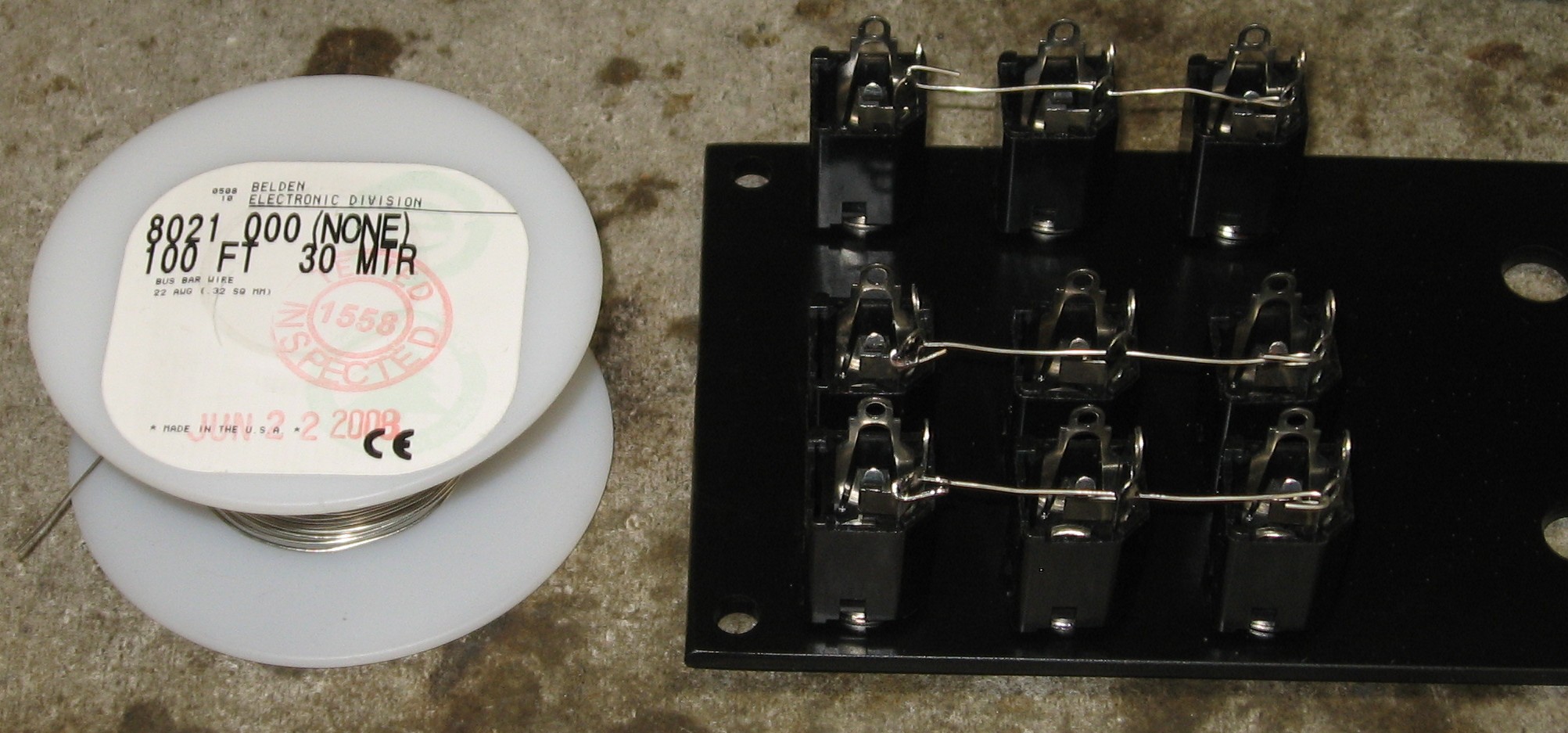
Grounding the Jacks |
|
|
|
Installing the ICs |
|
|
|
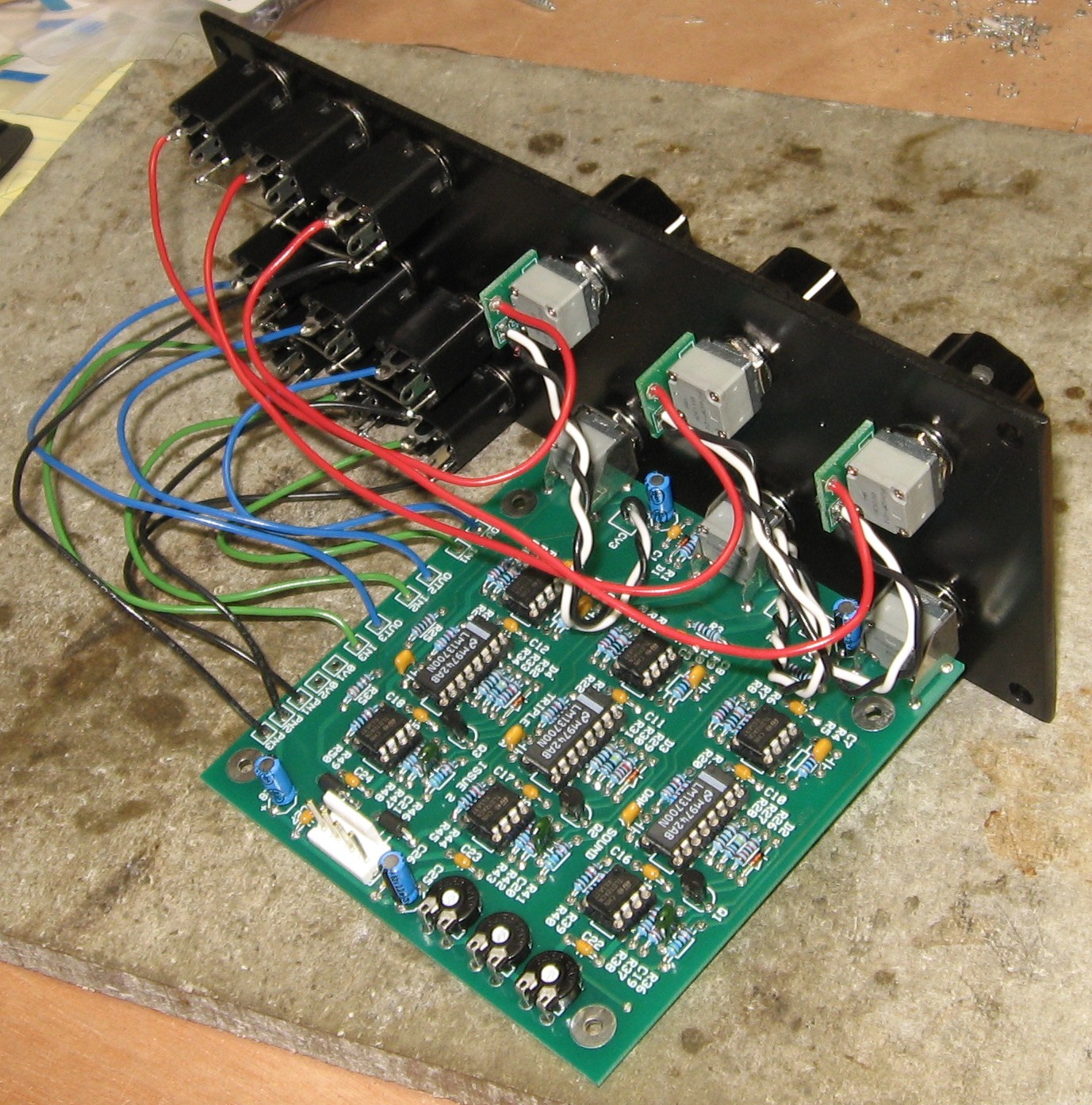
Connections |
|
|
|
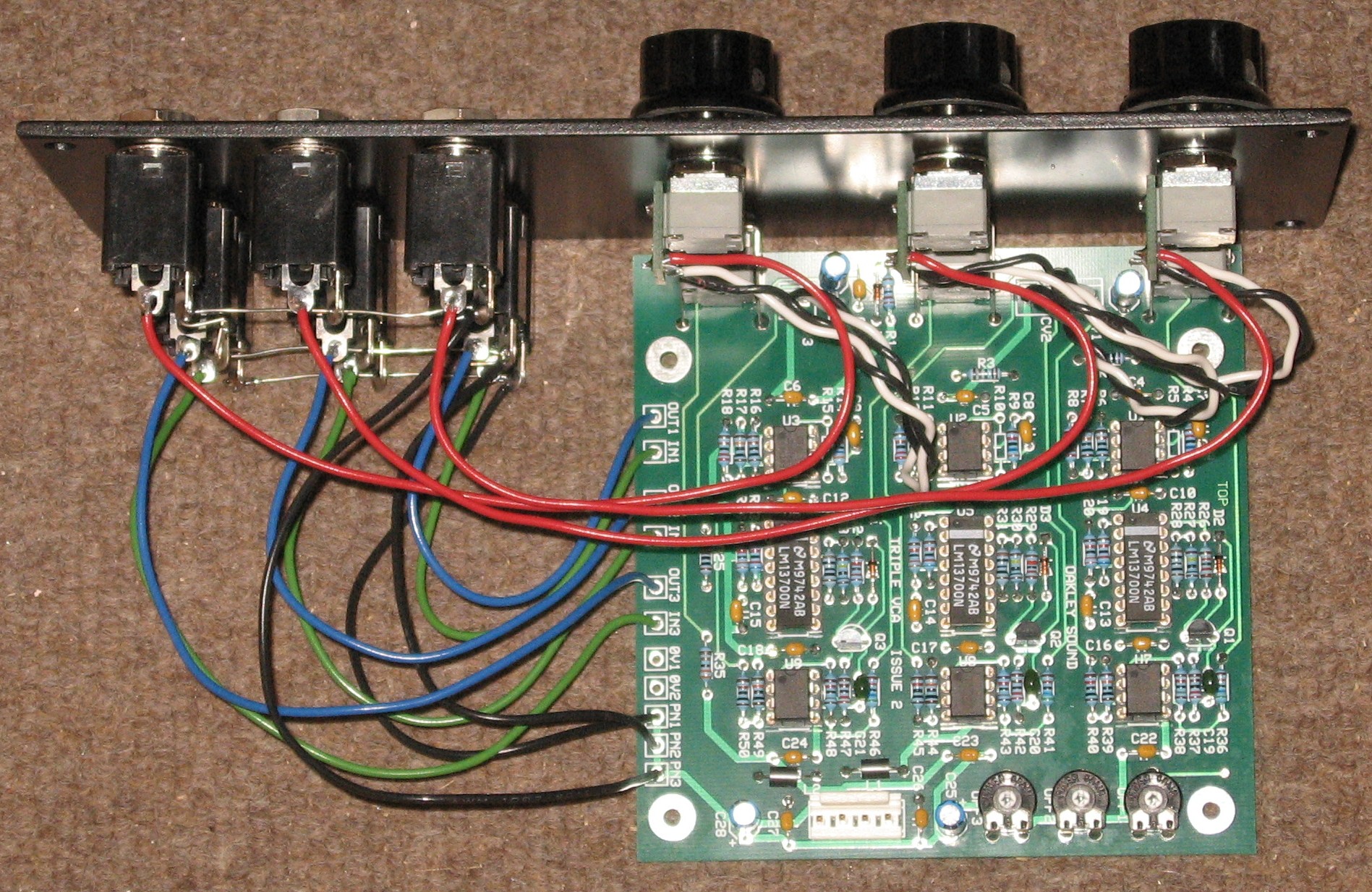
Done |
|
|
Set up / Testing |
Use Notes |
|
|
|
The fine Print: Use this site at your own risk. We are self-proclaimed idiots and any use of this site and any materials presented herein should be taken with a grain of Kosher salt. If the info is useful - more's the better. Bill and Will © 2005-2011 all frilling rights reserved
|